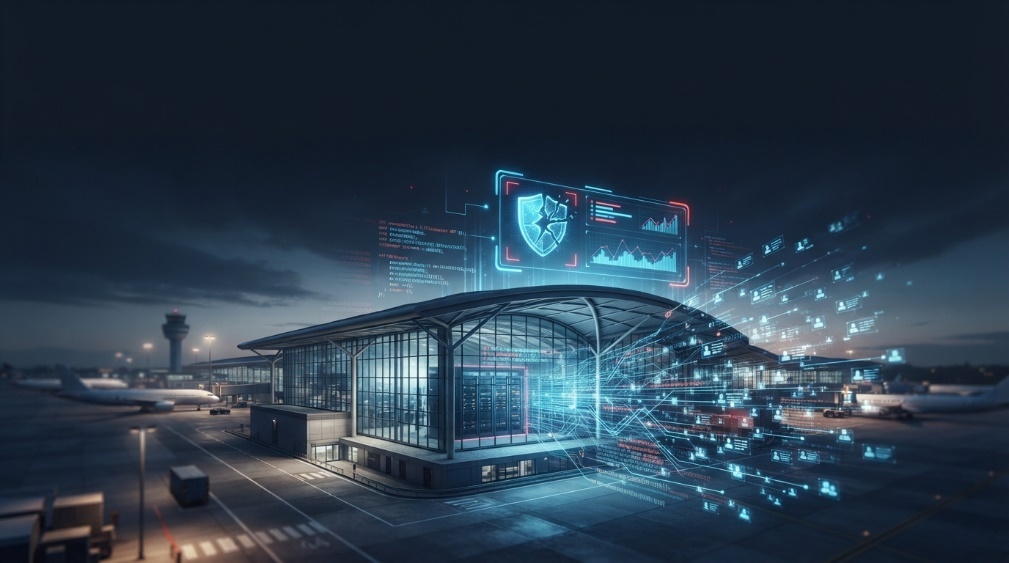
Nowadays, business in Canada is under the influence of digital threats. Manual Checking methods are now getting out of trend. To detect the weak points of digital businesses, hackers used modern methods besides Artificial Intelligence. This shift has changed the security protocols.
Cybercriminals use tools that adapt, learn, and bypass manual checking. This flow creates a serious imbalance within the market. The majority of businesses use a manual checking system that is easy to bypass. This creates a gap in the security system and enhances the risk to personal data.
This increase in the intelligent threat made AI in Penetration Testing a topic that should be discussed and adopted by Canadian Corporations.
Why Traditional Penetration Testing Is No Longer Enough
Traditional Penetrating Testing has been used as a trusted way for identifying weaknesses. White hackers detect this gap and fill it before a criminal invades. Although it was a valuable approach, this trend has gone too far.
The modern IT environment is altering day by day. Conventional practices are done twice or thrice a year. They provide real-time data, yet not safe enough to rely on. Cloud configurations shift. Applications are updated now. New devices are introduced, and every innovation comes with a new threat.
A lot of limitations are present within the manual checking system:
- Significant time is required
- Besides time, an abundance of resources is necessary
- It depends heavily on human availability
- Emerging attack patterns can be overlooked
It is real-time, but do not provide consistent visibilit
Cyber attackers do not wait for an annual audit. They seek real-time weakness. As they get some points, they invade. This puts your business at great risk between testing cycles.
Corporations in Canada now must think twice before their choice of selection. To blend with the evolving trends, organizations now explore Machine learning penetration testing and Automated vulnerability scanning as strategic enhancements. These methods not only cover the gaps but also enhance the speed, intelligence, and ongoing assessment of testing processes.
Without modernization, companies risk falling behind sophisticated adversaries.
What Is AI in Penetration Testing? A Modern Approach to Security Validation
AI in Penetration Testing can be understood by the use of artificial intelligence and advanced analytics. This helps to enhance how security teams identify and validate vulnerabilities. If you think this replaces human expatriates and their needs, you are definitely wrong. It just strengthens it.
This modern intervention blends with the AI Cybersecurity Tools. Collectively, they analyze a large volume of data, unusual patterns, and simulate attack techniques with greater precision. Speed and Accuracy is now way better. All this is possible due to the emergence of automation and Artificial Intelligence.
Core capabilities often include:
- AI threat detection: It helps to detect and identify abnormal behavior in networks and applications
- Predictive security testing: It predicts the potential pathways of attack
- AI penetration testing software: These perform continuous assessments
- Cyberattack simulation AI: that replicates complex threat scenarios
Irrespective of the manual traditional method that works on the same pattern, it adapts to new ways. This system observes and learns new ways to deal within real time.
In regions like Canada, this system supports hybrid infrastructures and delivers stronger flexibility. AI cybersecurity in Canada has become more than a trend. It supports the security system and covers blind spots. It is a strategic requirement for organizations that value long-term protection.
How AI Enhances the Penetration Testing Process
From a periodic task into an ongoing defense strategy, Artificial Intelligence transforms. Artificial intelligence introduces depth and continuity into security validation.
Automated vulnerability scanning plays a major role in the security aspect. AI systems accelerate discovery. With the help of these, weak points are detected in real time. This speed allows teams to identify exposure before attackers do.
Accuracy is the second thing that is improved through this. AI threat detection assists in this way. Rather than depend on the known signatures, this system analyzes the behavioral pattern. In this way, the real threat can be detected.
Third, learning of Artificial Intelligence from previous experiences is one of the comprehensive contributions in this regard. Machine learning penetration testing gets data, analyzes, and refines further simulations.
Different organizations are seeking to enhance their security systems with the blend of AI penetration. A lot of enterprises have already partnered with experienced providers. For AI-driven ethical hacking and intelligent testing strategies, Plutosec is well known in this regard. Expert oversight with the advanced AI penetration testing software, Plutosec, identifies critical weak points before it is subjected to hackers.
Key Business Risks of Ignoring AI in Penetration Testing
A lot of organizations exist that do their annual audit assessment and think their data is quite safe and secure. This act and mindset create a major loophole within their security.
AI in Penetration Testing is not just a trend. It is the basic requirement of your data security. When you ignore this testing within your business, you are at a high risk of a cyber attack. Such organizations are more at risk of losing their personal data than others. Cybercriminals already use automation to identify weak configurations, outdated software, and mismanaged cloud assets. Without this blend, the data and security are vulnerable.
The risks are serious:
- Data related to the client, customers, and employees can be leaked
- Exposure to cyber attacks can result in financial loss
- Regulatory penalties for failing to meet security standards
- System and operations can be slowed down due to an invasion by a cyber attacker
- Long-term reputation can be lost
Traditional software cannot work all the time. Modern attacks move quickly. In contrast, Predictive security testing anticipates possible exploitation paths before they become active threats.
Beyond loss of funds, failures can have negative effects on Canadian businesses. These include demands and public opinion that can impede expansion. Business risks get greater by security management who delay modernisation. But resilience and stakeholder confidence are increased by those who employ intelligent penetration testing.
AI in Penetration Testing vs Traditional Testing: A Strategic Comparison
The main concern is that this AI Penetration Testing replaces the Traditional Testing Method. The answer is NO. This system basically enhances the capability of the traditional method. With the help of a better understanding, the right approach can be chosen.
Traditional testing offers:
- Deep manual expertise
- Customized attack scenarios
- Human creativity in exploitation attempts
On the other hand, AI Penetration Testing offers:
- Continuous Automated vulnerability scanning
- Advanced AI threat detection based on behavior
- Scalable testing across large infrastructures
- Adaptive attack simulations through AI-driven ethical hacking
How to Integrate AI in Penetration Testing into Your Security Strategy
Adaptation of AI Penetration within the system for improving security is not limited to buying software. This demands a proper check and balance with a structured environment by professionals.
This workflow requires a proper pattern. Organizations first need to review their security conditions. This helps to evaluate the past penetrations and test reports. Weak points are covered in the first attempt. Not all aspects require equal attention. Critical systems, cloud infrastructure, and customer-facing applications deserve continuous monitoring. Professionals choose advanced AI penetration testing software. This software performs in a unique flow under the supervision ofan expert. AI-driven ethical hacking works best when security specialists interpret findings and validate complex attack paths.
Besides, leadership must treat testing as an ongoing process. Machine learning penetration testing improves over time. Accuracy depends on the analysis of data. The more it analyzes, the better it performs.
To ensure its proper implication, Ploutosec provides structured deployment of AI cybersecurity tools. Besides these continuous assessment models, and compliance-aligned reporting distinguishes us from the rest of the providers. This approach ensures that businesses gain value without operational disruption.
Conclusion
Cyber threats are getting higher day by day. Due to the evolving environment, traditional and manual ways are outdated. Security of data is possible only by means of the emergence of both professional experience with modern automation. Canadian businesses must adopt smarter strategies to stay protected.
With advanced AI cybersecurity tools and AI threat detection, organizations reduce risk and strengthen compliance readiness. By partnering with a trusted provider like Ploutosec, businesses in Canada can implement reliable and future-ready testing strategies. Investing in Smart penetration testing today ensures stronger resilience, operational stability, and long-term growth.
FAQs
What is AI in Penetration Testing?
AI Penetration Testing uses artificial intelligence for precise investigation of security. It helps to find weak holes within the security system and helps to identify them before a hacker does.
Can AI replace human ethical hackers?
No, AI can not replace ethical hackers. It strengthens their efficiency. They use tools and software to predict the scenario.
Why should Canadian businesses invest in AI penetration testing?
Investment and collaboration with AI Penetration Testing improves the security of their business. It helps to improve their reputation besides financial losses.
Is AI in cybersecurity in Canada becoming common?
Yes, AI Penetration Testing is becoming common every day. Emergence of AI in cybersecurity enhances the efficiency and visibility of the system data.
Why is the Traditional method not enough for Modern Business?
The traditional method of security checking is based on the annual audit of security. Modern concerns require constant visibility for precise security checks.

Written by
Admin User