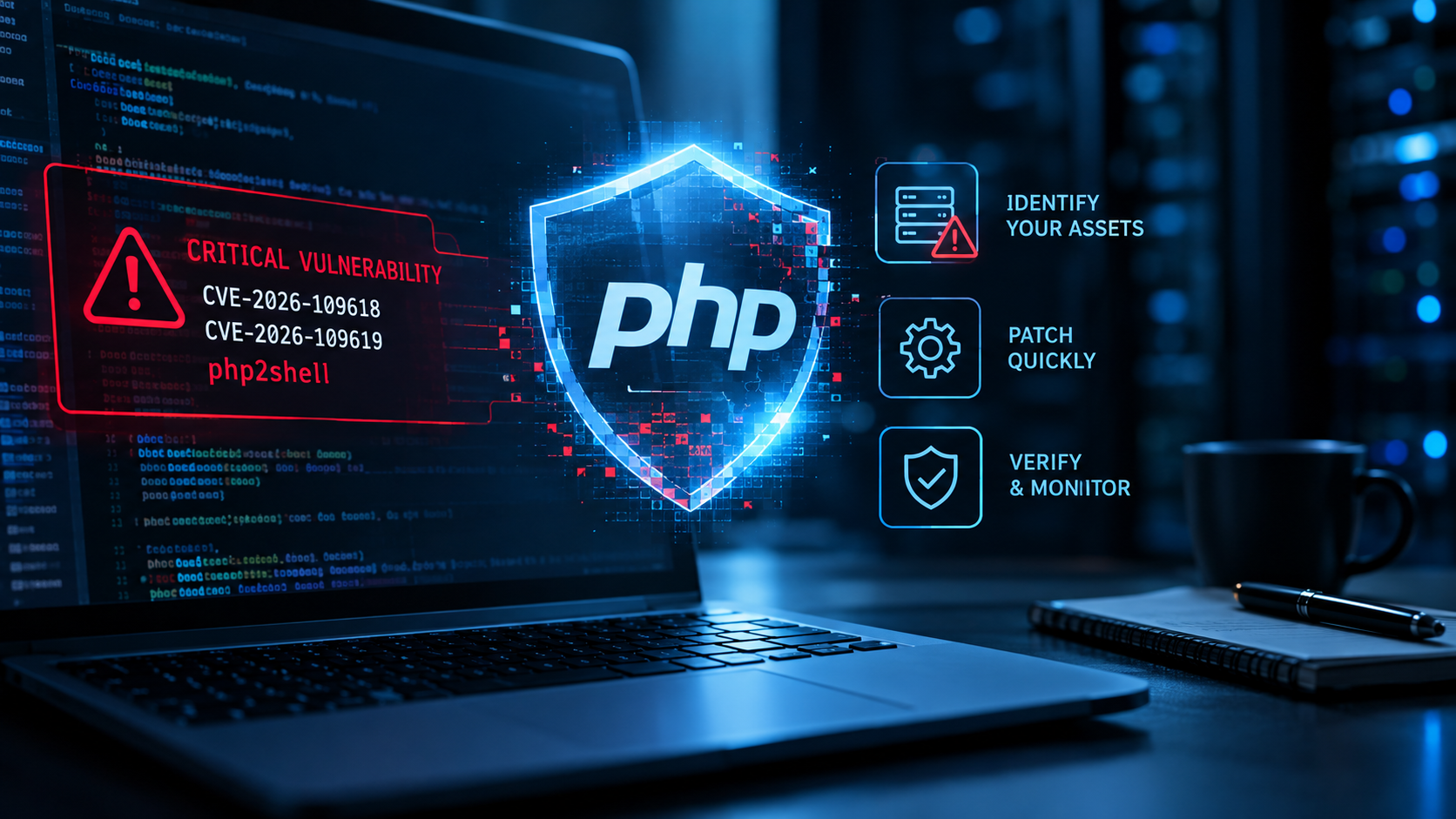
Secure coding services protect your software from internal risks. You must follow strong coding rules during development. It is important to block bugs that attackers can exploit. Most threats begin from unsafe or weak code. You can stop those risks through clear coding steps.
You should apply input filters and set strict access control. It is also necessary to protect data in every storage layer. Each method stops data theft and misuse. You must apply these steps in every industry. That includes healthcare, finance, and retail. Every sector faces code-based threats.
You can lose system control without safe coding habits. It is essential to develop software that is resilient to attacks. It gives you better control. Helps your apps stay safe and trusted.
What is Secure Coding in Cybersecurity?
Coding in cybersecurity means writing code that prevents threats. You should block common attacks from the start. It is important to remove weak logic in your programs. Hackers often look for gaps in software. You must seal those gaps with strict coding rules.
It stops data leaks and unauthorized access. You should check every input and reject unsafe data. It is also vital to control who can access what. Each line of code must follow safety rules. That helps your system stay stable.
You must avoid shortcuts during development. Secure code keeps your apps strong under pressure. It is key to protect users and data. Every developer should treat code security as a core part of the process.
What Makes a Strong Secure Coding Framework?

Input Validation
You must check every input from users. Unsafe input can break your system. It is smart to reject anything that looks suspicious. You should clean the data before using it. That stops injection attacks. Proper input filters protect your apps. Never trust raw user data. Always use strong validation methods. You must avoid shortcuts. Clean inputs build a strong defense. That keeps your system safe and running.
Authentication
You must control who has access to your system. It is not enough to ask for a password. You should add extra layers like tokens or codes. It is wise to block access without checks. Only trusted users should reach sensitive parts. You must lock key actions with clear rules. Do not let all users do the same tasks. Access control limits damage from inside and outside threats.
Error Handling
You must handle errors without showing details. Hackers use error messages to learn about your system. It is better to log the issue quietly. You should keep logs clean and useful. It is smart to set alerts for serious issues. Logs help you trace problems. You must avoid putting user data in logs. Clear error handling stops leaks. That builds trust and protects your system.
Secure Data Storage
You must protect stored data from theft. It is not safe to keep data open. You should use strong encryption to hide it. That blocks people who steal files. You must lock both the data in use and storage. It is wise to rotate keys often. Encrypted data means less risk. Safe storage keeps user trust. Every file should be guarded, even if access looks safe.
Code Reviews
You should review all the code before launch. It is not safe to skip checks. Static tools help find weak points. You must fix issues early. It is smart to scan your code on each update. Peer reviews add fresh eyes. That helps catch what you miss. You must not rely on one test only. Strong code reviews prevent hidden flaws. That keeps your app safe and stable.
How Does Secure Coding Help Your Industry?
- Retail & Ecommerce: You can stop fraud and protect payment systems. Secure coding services shields customer data and keeps online checkouts safe. Customers trust platforms that guard their information.
- Finance: You must protect every financial transaction. Secure code stops theft and meets legal standards. It also guards personal and business account data.
- Government: You need strong defenses for public platforms. Secure code keeps national data safe. It also lowers the risk of targeted attacks.
- Education: You must protect school records and online learning systems. coding keeps portals safe from attacks. It helps schools work without fear of leaks.
- Technology: You need clean and safe software. Secure code improves performance and removes weak points. Your tools stay strong and safe.
- Health Care: You must follow privacy laws and protect records. Secure code keeps medical systems stable. Patients stay safe when their data stays private.
- Utilities & Energy: You must defend critical systems. Secure code blocks threats that cause outages. You keep services running without fear of damage.
- Oil & Gas: You must protect field data and operations. Secure coding adds control and lowers risks. It helps you avoid major losses.
- Banking: You must secure customer accounts and stop fraud. Secure code ensures stable platforms. It also helps you meet strict rules and standards.
How Do We Build Coding Programs?

You should begin with a full code audit. It helps you find weak areas early. Your team must know the risks and spot code flaws. You must set clear coding rules. It is important to follow secure patterns. Every developer should use approved methods.
You should train teams on coding. It helps them write clean code. Updated skills reduce hidden risks. You must use tools for static code checks. These tools catch errors before launch. It gives you more control.
You should test every change. It keeps the code safe after updates. Regular checks avoid new issues. You get a strong program through practice. It takes time, but results stay solid. Your code runs better and stays secure.
How Does It Lower Risk?
You avoid major attacks by fixing code-level gaps. Clean code stops threats before they grow. It is key to reduce damage early. You block unsafe access with strict rules. Hackers fail when code checks stay strong. It keeps your system stable.
You prevent data leaks through secure storage. Safe handling protects user trust. It also avoids legal trouble. You stop common flaws using code reviews. Teams find issues before launch. That makes your product safer.
You cut future costs by fixing code now. It saves you from emergency repairs. It also keeps your brand safe.
Why Choose Plutosec for Secure Coding?

You get expert help from skilled security teams. Plutosec knows how to fix code risks fast. It helps your team avoid common flaws.
You receive support that fits your business needs. The service matches your tech and goals. That keeps your apps strong and safe. You trust a team that follows global standards. Plutosec uses the latest tools and checks. That ensures your code stays clean.
You gain results through tested frameworks. Every step targets real issues. That gives your team full control. You stay ready for future threats. Plutosec updates methods as risks evolve. That gives you lasting protection.
Secure Coding Success Stories
You see real impact through results. Many clients fixed major flaws early. That saved time and cut costs. One tech firm stopped repeated data leaks. Code reviews found the weak spots. Updates made their systems stronger.
A finance group lowered breach risks fast. They used secure code checks. That kept customer data safe. A health care provider passed the audits with ease.
You can expect lasting gains. Each success came from clear steps. Plutosec guided every move with care
Book a Secure Coding Consultation Today
You should act now to protect your software. Expert advice helps find hidden risks. A consultation gives clear steps to fix issues. You get tailored solutions for your needs. Early guidance saves money and time. It keeps your systems strong.
Contact us to start your journey. We help you build safer software fast. Protect your business from code vulnerabilities today.
FAQs
What is secure coding?
It means writing software that avoids security flaws. It protects your systems from attacks and keeps data safe.
How does coding reduce risk?
It helps find weak points in your code. Experts fix these issues before hackers exploit them. This lowers the chance of security breaches and protects your data.
Which industries need strong coding?
Most industries need it. Retail, finance, healthcare, government, and technology benefit the most from coding practices to protect sensitive data.
How often should code security be checked?
Regular checks are essential. You should review code security with every update or at least every few months to catch new vulnerabilities.
What tools are used for coding?
Trusted tools scan your code for errors and security weaknesses. These tools help find problems early so developers can fix them before release.

Written by
Jonathan Zachary