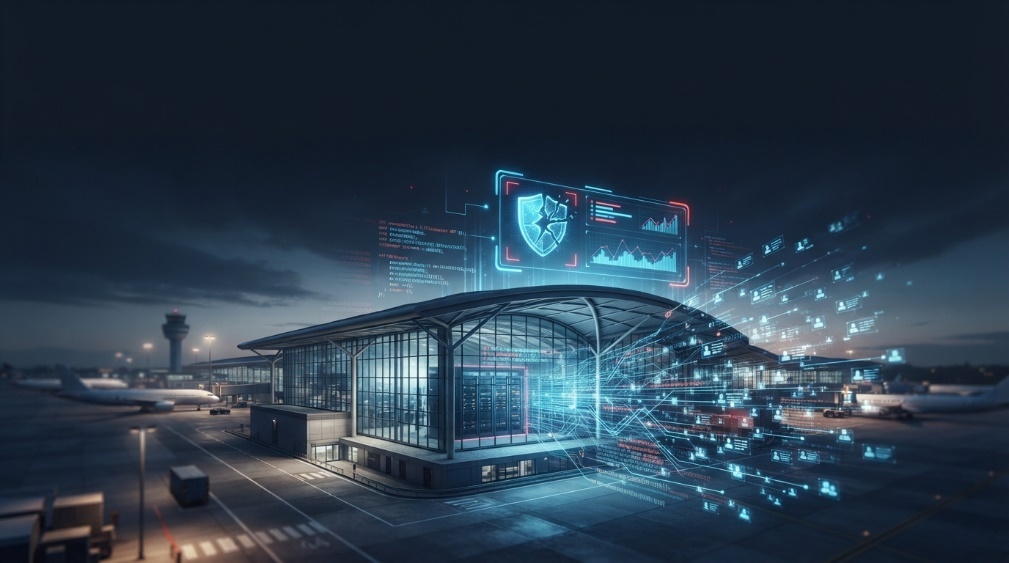
The rate of cyber threats in the United States is increasing. Businesses are attacked on web applications, application programming interfaces, cloud engineers, and internal networks. Periodic testing continues to be one of the methods of checking security in many companies.
This is where the autonomous pentesting comes into play. It enables organizations to do continuous testing of their systems. It minimises delays and enhances access to security risks.
Computerized pentest automation with the use of automated VAPT is now the direction taken by modern companies to respond to changing threats.
Why Traditional Pentesting Slows Down Security
Conventional penetration testing is reliant on manual work. Systems are tested in a periodic manner by the security experts. This leaves significant intervals between tests.
In such breaks, new weaknesses can emerge. These weaknesses can be used by attackers prior to the next test. There are also very rigorous compliance requirements for US organizations. Most industries are associated with frequent testing and reporting. This demand cannot be met by manual testing.
That is why companies are moving towards AI pentest automation. It enables quicker and more repeated testing to be done without increasing cost.
The Shift Toward Autonomous Pentesting in the USA
The US businesses are becoming smarter on security. What they desire is the ability to have real-time risk-detecting systems.
Pentesting is an autonomous technology based on artificial intelligence that involves scanning systems and detecting vulnerabilities as well as simulating attacks. It is automatic, and there is no human intervention.
AI security tools in the USA are now used to enhance security posture by many enterprises. The tools assist in keeping organizations ahead of intruders.
This change is not only regarding speed. It is concerned with being safeguarded at all times.
What Makes Autonomous Pentesting Different
Conventional testing is based on pre-programmed situations. It is relying on human effort and fixed methods.
Associated with this, automated VAPT systems are responsive to the changing environments. They are capable of scanning systems, interpreting findings, and testing new attack vectors automatically.
Key differences include:
- Constant quality control over periodic quality control.
- Quicker vulnerability determination.
- The capability of simulating actual attacks.
- Less reliance on manual labor.
This renders autonomous pentesting more appropriate in the current IT environments.
Why Routine Pentesting Delays Security
The manual work is relied on in traditional penetration testing. Security experts have programs that are run at set intervals. This brings considerable intervals between assessments.
New gaps might emerge during such lapses. Before the next test, attackers may take advantage of such weak points.
There are also strict compliance requirements for US organizations. The vast number of industries requires numerous tests and reporting. This demand cannot be maintained without the use of manual testing.
That is why companies are moving towards AI pentests automation. It enables quicker and more regular testing and does not raise costs. Key Risks Identified by Autonomous Tools Smarter security solutions are being adopted by companies in the US. They desire systems that would identify risks instantly. Autonomous pentesting involves artificial intelligence to scan systems, detect vulnerabilities, and perform simulated attacks. It is a continuous effort and does not require manual input. Most companies have adopted AI security technologies in the USA so as to enhance their security posture. These tools can assist the organizations to be ahead of attackers. It is a transition that does not simply need speed. It is the thing to remain secure at the moment. Business Impact for US Organizations Testing that is traditional pays attention to constant situations. It relies on the use of human resources and set procedures. By comparison, automated VAPT systems are responsive to the evolving environment. They are capable of scanning systems and analysing their outcomes in addition to testing new attack paths automatically. Key differences include: This renders autonomous pentesting more appropriate to the contemporary IT setting. Limits of Fully Automated Testing Automation is potent on its own. Artificial intelligence devices are pattern-followers. They can overlook sophisticated logic errors or business-related risks. Human skills remain relevant. Security experts are familiar with context, actions, and sophisticated attack tactics. Pentesting by organizations should be combined with pentesting by experts. This method gives more in-depth and valid results. Developing a Continuous Security Testing Strategy The maintenance of security in modern times is constant. Organizations should be able to go beyond once-in-a-while testing. A strong strategy includes: By so doing, the vulnerabilities are identified and fixed within a short period. Organizations that focus on continuous security testing can bypass attacks and lower risks in the long run. Stop Doing Periodical Testing Occasional security tests are still used by many organizations. This strategy develops an exposure between test periods. Contemporary advances demand constant security. Independent pentesting assists companies in bridging this divide. Ploutosec does not use pure automation only. We develop the most sophisticated test plans, integrating AI pentest automation and manual interpretation. Unless your organization is using periodic testing, your systems could still be vulnerable. Time to get your security posture better. Ploutosec can be contacted at +1 (905) 367-6038 or contact@ploutosec.us to find out how our automated VAPT and AI-driven testing services will secure your business. The protection in cyberspace today needs to be smart, active, and dynamic. What is autonomous pentesting? Auto-pentesting refers to AI usage in the form of automated security testing. What is the process of AI pentest automation? AI pentest automation involves scanning systems and identifying vulnerabilities, as well as automatically simulating attacks. Is automated VAPT as secure as it needs to be? Automated VAPT is efficient, and it is advisable to use it along with expert testing to ensure full security. What is an AI vulnerability scanner? An AI vulnerability scanner finds vulnerabilities in systems in an intelligent manner. At what frequency must security testing be conducted? Continuous security testing should be applied by organizations rather than irregular security testing.FAQs

Written by
Admin User