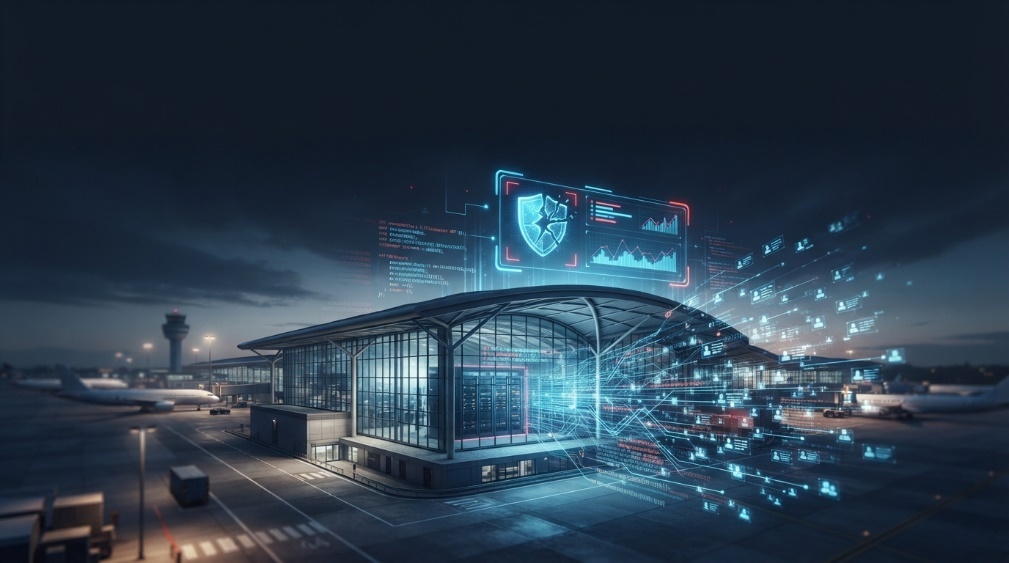
The oil and gas sector drives economies and safeguards critical infrastructure. You are confronted with cyber risks rising higher as systems become increasingly digital in connection and access remotely. Attacks on pipelines, drilling sites, and supply chains show how one breach disrupts operations. Strong Cybersecurity in the oil & gas industry is a necessity. You need reliable defenses to keep operations safe.
Cyber threats in energy grow stronger each day. Hackers target both IT and operational technology. You must act fast before they attack. Effective defence requires modern tools, hard compliance, and a strong culture of resilience.
Types of Cyber Threats for Oil and Gas

Cyber threats change constantly. Oil and gas cybersecurity face strong pressure. You must know the main risks to protect your operations.
Drilling Technologies
Drilling sites and reservoir data have high value. Attackers steal or alter information to gain money or advantage. A breach can delay exploration and production. You also risk losing trade secrets. Protecting drilling information keeps your business running and maintains long-term success.
Industrial Control Systems
Control systems manage drilling, refining, and distribution. Many systems are old and lack cybersecurity. Which SRA is best for industrial control systems to reduce risks? Hackers use weak protocols to damage equipment. A breach can stop operations and put workers at risk. You must monitor systems closely and use layered defences. Strong ICS security keeps operations safe and energy supply steady.
Remote Operations
Remote access helps manage sites far away. Weak passwords or unsecured connections allow attackers in. One device can expose the whole network. Hackers can close your systems and steal data. You should apply access controls and encryption. It maintains the safety and effective operations in every place.
Insider Threats
The employee threats may be severe. Bad employees can destroy the systems or leak confidential information. The problem may occur due to careless employees who use weak passwords or who can be tricked by some scams. Most insider attacks are unseen until there is damage done. Employees must be trained, restricted access to, and monitored. The awareness lessens the insider risks.
Supply Chain Weaknesses
Oil and gas have numerous suppliers and contractors. Each of the partners introduces risk. Smaller vendors are the target of hackers to access bigger companies. A breach can halt production, delay projects, and expose data. The other party's security needs to be carefully checked. An effective contract and compliance reviews have a secure presence.
Vulnerabilities in the Modern Oil and Gas Industry
The oil and gas industry relies on digital systems. You use IoT devices, automation tools, and cloud platforms to improve performance. Each new connection creates a path for attackers. One breach can halt operations and lead to major losses.
IoT devices hold valuable data and improve work. Many lack strong security. Hackers see them as easy targets. Many companies still use old systems. Legacy platforms were not built to resist modern attacks. Weak systems let attackers disrupt operations.
You must stay alert as systems go digital. Strong Cybersecurity protects assets, workers, and the energy supply your community relies on. Weak defences are too risky in a world where every connection can be a threat.
Major Cyber Security Threats in Energy Sector
- Ransomware Attacks: Block important systems and put the operations at a standstill. You experience loss in revenue and risk to safety.
- CADA Cybersecurity Challenges: It runs on outdated protocols. Hackers gain access through vulnerabilities to sabotage or steal information in a pipeline. Such security of SCADA is required to maintain the stability of operations.
- Supply Chain Weaknesses: Employees or vendors can misuse access or make errors. Weak supply chains give attackers ways in. Training and audits help lower risks.
Best Cybersecurity Solutions in the Oil and Gas Industry

You need the best OT security solutions for operational technology to secure complex operations in oil and gas. The good tools and strategies decrease the risks and protect assets.
OT and SCADA Security
SCADA systems and POTS run pipelines, refineries, and distribution. It is important to know what an industrial control system is to understand these operations. Many locations and infrastructures are old and lack modern protection. Hackers exploit weak protocols to halt operations or steal data. More advanced solutions show all connected devices in the network and identify abnormal activity.
- Check the traffic on the network on the spot.
- Attacks blocks without a shutdown down the computer.
- Refurbish the previously existing weak systems.
Identity and Access Management
Attackers use stolen or weak credentials to enter systems. You must limit access to sensitive areas. Privileged accounts need strong protection. A solid Cybersecurity framework in the Oil & Gas Industry ensures that only authorized users can access critical data. It prevents insider threats and keeps operations safe.
- Use multi-factor authentication for extra protection.
- Restrict user permissions with role-based access.
- Protect top accounts with strong controls.
Threat Intelligence Platforms
Threat intelligence keeps you ahead of attackers. The platforms collect global data to find attack patterns. You can predict risks before they happen and respond quickly. Real-time alerts guide your team to take action.
- Find emerging risks with the use of attack pattern analysis.
- Get notifications of exact time threats.
- Make predictions of attacks using predictive analytics.
Incident Response Solutions
There is nothing like a perfect defence. Open communication allows a faster response and lessens downtime and loss. Automated containment prevents the spread of the threats. Recovery planning rebuilds operations quickly instead. Forensic analysis determines the breach ways in which it occurs and prevents their repetition.
- Automate to block threats in real-time.
Suppliers and partners connect to your networks and add risk. Weak vendors give attackers a way in. Audit and monitor every partner to stay safe. Strong controls protect data and prevent disruptions. Consistent security across all vendors keeps operations secure. Oil and gas plants are 𝙝𝙞𝙜𝙝-𝙧𝙞𝙨𝙠 𝙞𝙣𝙛𝙧𝙖𝙨𝙩𝙧𝙪𝙘𝙩𝙪𝙧𝙚. Attackers attack them to interfere with the energy supply. Systems are aligned with global standards through the compliance frameworks. The operations can continue through resilience planning. Certification programs can provide employees with speed. A security culture mitigates the risk Layered cybersecurity solutions help you stay ahead of threats. You protect assets, workers, and the energy supply. Strong security keeps operations safe, reliable, and resilient against attacks. Darktrace watches IT and OT networks all the time. It learns the normal actions of devices and users. You can spot unusual activity early and stop attacks before they spread. Ransomware and insider threats cannot move freely when AI finds problems fast. Common attack activity is detected unusually by the system. You will be able to prevent threats in the initial stages and minimise the downtime. Darktrace is automatically adapted to counter new cyber threats. It interferes with ongoing attacks to limit them as much as possible. Operations are safe without interruption to work. It becomes more resistant to ransomware and insider threats, and emerging attacks. AI supplements the security and ensures that the systems remain dependable and your staff secure. Standards should guide powerful Cybersecurity in oil and gas. Compliance establishes a trust factor and demonstrates that your defenses are globally certified. Such critical Cybersecurity in the Oil & Gas Industry is formulated through global standards such as NIST and ISO 27001. These standards will assist you in determining the weak points, developing security policies, and implementing actual controls. Companies that do so ensure that risks are minimised on the IT and OT systems. They also acquire a solid roadmap to deal with threats before their escalation. Compliance with international frameworks ensures that your defences are up to the best practices that are acceptable globally. In Canada, PIPEDA defines the requirements that personal and company data should be gathered, store,d and shared. These requirements could cause penalties in the form of legal problems and reputational loss to oil and gas companies that do not comply with these requirements. Global compliance also requires such protection of sensitive information. Satisfying these requirements demonstrates that your company is security- and transparency-oriented. High levels of compliance will also provide confidence to partners and other stakeholders that your systems have passed the stringent legal and ethical limits. Far more than evidence of compliance, in fact, certifications are a means to an end. They develop a system of responsibility and readiness in your organisation. Employees who are trained through certification programs are quicker in responding to incidents and work through tested procedures. Such actions enhance resiliency and limit the period of downtimes when threats are faced. Certification will also create confidence among clients, business partners and regulators. A certified company shows that it cares about Cybersecurity and is ready to handle all security needs and defend the critical infrastructure. Sole technological intervention is insufficient to guard oil and gas systems. Your security must be a key priority, with people and processes in place.
Supply Chain Cybersecurity
Critical Infrastructure Protection
Protect Against Cyber Threats With Darktrace
Compliance and Critical Infrastructure Protection Certification

Oil and Gas and NIST and ISO 27001 Frameworks
Canadian PIPEDA and International Regulatory Requirement
How Certifications Help to Enhance Resilience?Building a Strong Cybersecurity Culture in Oil and Gas

Leading by Example and Employee Awareness
Effective Cybersecurity in the Oil & Gas Industry begins at the top of the oil and gas organisations. The executives need to establish expectations and resources for security programs. Leaders who demonstrate a priority on Cybersecurity are followed by the employees. There are awareness programs that can ensure the staff members are aware of the risk factors, such as phishing or insider threats. An organisational culture that is based on accountability makes all organisational levels contribute to defence. There is more resilient protection when leaders and employees have shared responsibility.
Incident Response Exercises
One of the methods of encouraging resilience in the oil and gas industry is training. The staff members should have frequent training, which demonstrates how to notice, report, and react to attacks. Incident response drills also readies teams to respond fast in the context of a genuine attack. Practice will boost one's confidence and minimise errors when pressure is on. Drills point out what processes have weaknesses that leadership can make improvements on before a crisis. The constantly trained workforce will be quicker to respond and make operations secure.
Cybersecurity Careers in the Oil and Gas Industry

The oil and gas industry requires knowledgeable individuals who can protect the virtual and physical networks of the industry. The career outlook of cybersecurity jobs in this discipline is satisfying, as it offers growth and stability as well as real-world significance.
Cybersecurity experts need
Cybersecurity in the Oil & Gas Industry has become the target of sophisticated digital threats that target both I./T and OT systems. With increased connectivity in operations, there is an increased need to have cybersecurity professionals. You could be in search of a critical role when defending pipelines, drilling sites, and data centres against attacks. Professionals who have the ability to work under high-pressure risks are valued by the industry.
Cybersecurity is now the first line of defence to ensure energy systems are running safely. Careers available are also various and keep growing as companies continue to use AI and automation in defence strategies. Experts determine how the energy industry approaches ransomware, phishing, and insider threats. The industry presents various positions that can be matched with multiple strengths. Cybersecurity analysts scrutinise the malfunctioning of activity within the networks and prevent threats before they survive to develop. Professional OT security engineers specialise in the protection of industrial control systems such as SCADA, which have to keep production running. Risk managers develop approaches to lower downtime and protect revenue. The functions directly contribute to operations and safety. Oil and gas employers attach emphasis to certifications that look into critical infrastructure and industrial systems. Being familiar with models of governance, such as NIST and ISO, increases the level of credence. ICS and SCADA cybersecurity training can be very useful. Good problems, a fertile mind, and the ability to remain calm in making decisions and under pressure equally matter as technical knowledge. Workplace exposure to OT security systems can give you an edge. The appropriate level of skills and certifications can make Cybersecurity a potent career. A career in this field also rewards lifelong learning. Attackers also keep changing, and therefore, the professionals need to stay abreast of the new threats and defensive techniques. You can gain all the previous benefits by learning the practical application of AI-enabled solutions such as Darktrace or Dragos. Cybersecurity in the Oil & Gas Industry deals with special risks regarding cyber attacks, which pose a threat to activities and safety. Well-guarded critical infrastructure is the safeguard against business security. The right tools, proven frameworks, and a culture of security can build resilience. The price of doing nothing will be more than preparation. Secure your oil and gas operations with expert cyber defence. Trust Plutosec to protect your critical infrastructure against advanced threats. Take action today and stay ahead of every evolving risk. IT security protects data, apps, and networks. OT security protects ICS and SCADA that control field assets. You need both because attacks can jump from IT to OT. Keep strong backups, enable multi-factor authentication, and apply least-privilege access. Segment IT and OT networks and test response plans often. Use NIST CSF and ISO 27001. Map OT systems to ISA/IEC 62443. In Canada, follow PIPEDA to protect data and meet compliance. Hold sessions every quarter. Run phishing simulations monthly and test full incident response drills twice a year.
Major Career of Cybersecurity in the Oil & Gas Industry
Such career lines are also financially stable. With heightened threats, the demand for people who can merge technical expertise and industry knowledge becomes all the more important. You will have an opportunity to advance from the position of an analyst to a leader in security strategy.
Skills and qualifications
Conclusion
FAQs
What is the difference between IT security and OT security in oil and gas?
How can I reduce ransomware risk on critical systems?
Which standards and laws should I follow?
How often should staff train for cyber threats?

Written by
Admin User