Retail faces constant cyber threats today. Cybersecurity for retail and e-commerce is critical because every transaction carries customer data and payment details. Strong cybersecurity is now a business necessity. Plutosec offers solutions to protect your retail and e-commerce business from cyber threats. A breach can damage your reputation, lower sales, and create legal risks. Digital transformation has raised new challenges. Reports confirm the scale of the threat. Billions are lost each year to fraud, ransomware, and data theft. Strong cybersecurity is now a business necessity.
Importance of Cybersecurity for E-commerce Stores
- E-commerce has more risks than physical stores. Your website stays online all the time. Hackers keep looking for weak spots. Unsafe plugins, old themes, and weak servers make it easy for them to attack.
- Malicious code can hide in your site without notice. Customers may enter payment details on a compromised page. You risk losing both money and trust. Fraudulent transactions also create losses. Chargebacks eat into profits, and fake orders result in lost inventory.
- Bot attacks drain resources by inflating traffic. Your website slows down and frustrates real customers. Cybersecurity for e-commerce protects your site’s speed, customer trust, and revenue. Without it, your online store stands on shaky ground.
Why Cybersecurity Matters in Retail?

Retail depends on customer trust. Cybersecurity for Retail ensures customers feel safe shopping. Every sale involves sensitive data. Hackers see this data as profit. They target retailers more than ever before.
A cyberattack can damage your business in hours. Customers may stop buying from you. Regulators may fine you for weak protection. Your reputation may take years to rebuild. Customers want secure shopping, and you must give them that. Strong cybersecurity for retail is the foundation of lasting business success.
Types of Cyber Attacks in Retail and E-commerce

Retail and e-commerce stores face many cyber threats. Hackers look for weak points in accounts, payments, and databases. You must understand the most common cyber threats in e-commerce and retail to protect your business
Account Takeover (ATO)
Criminals use weak or stolen logins to enter customer accounts. They place fake orders, change account details, and even sell access on the dark web. Stores lose money and customer trust fast. You can block ATO through multi-factor authentication. You also protect accounts by tracking unusual activity.
Online Payment Fraud
Hackers target online sales with stolen cards or weak payment systems. Fraud leads to chargebacks, revenue loss, and harm to your reputation. Criminals also use phishing or malware to push fake payments. You lower this risk through PCI DSS compliance.
Data Breaches
Data breaches expose personal and financial information from customers. Attackers target databases and networks that lack strong protection. A breach can result in fines, lawsuits, and long-term loss of customer trust. Retailers who suffer breaches may lose millions. You can avoid this risk by applying encryption, strict access control, and regular security audits.
Phishing Attacks
Phishing tricks employees or customers into giving sensitive details. Fake emails or websites copy trusted brands and fool victims into entering login or card data. A single mistake can open the door for fraud or account theft. Staff training and multi-factor authentication reduce the impact of phishing. Customers also feel safer when you share tips on spotting scams.
Ransomware Attacks
Ransomware locks systems and encrypts customer data until criminals get paid. Retailers face shutdowns and heavy revenue loss when attackers demand high amounts. One attack can stop sales and damage reputation fast. You defend against ransomware through regular backups, updated software, and strong endpoint protection. A quick response limits the damage.
Common Cybersecurity Threats in Retail & E-commerce

Hackers attack retailers in different ways. Implementing Cybersecurity for Retail helps reduce these risks effectively. Criminals capture card details from payment systems. Ransomware can freeze your systems and force you to pay.
Phishing attacks target your staff. A simple email can trick an employee into sharing passwords. Point-of-sale terminals are also weak spots. Attackers inject malware into them to steal customer data. Hackers use bots to flood websites. They exploit outdated plugins and themes. Cybersecurity for Retail and E-commerce helps reduce these risks and protects your business.
- Credit card fraud is a major risk. Skimming attacks, such as Magecart, steal payment data.
- Phishing emails trick staff and customers into giving details. Social engineering scams stay common.
- Ransomware locks point-of-sale systems and online stores until payment is made.
- Account takeover uses stolen credentials to enter customer accounts. Credential stuffing increases this threat.
- Insider threats come from employees or contractors. Misused access leads to stolen data or damage.
Impact of Data Breaches on Retailers
A data breach hurts more than sales. Customers lose trust when their data is stolen. Many never return after a breach. Competitors take advantage of this loss. Regulators also punish businesses that fail to protect users.
Financial losses grow fast after a breach. You may face lawsuits, refunds, and penalties. You may also spend heavily on recovery. Strong security practices can help you avoid such damage. Prevention always costs less than recovery.
Best Cybersecurity Practices for Retail and E-commerce
You should build your security from the ground up. Secure your payment gateways to prevent card fraud. Choose providers that meet PCI DSS standards.
Update your software regularly. Hackers look for weak, outdated systems. Apply patches as soon as they are released. Train your staff to recognize suspicious activity. Employees who know what to look for can stop attacks early.
Monitor your network closely. Set up alerts to react fast. Back up your data regularly. A reliable backup protects you from ransomware. Firewalls and encryption add more defense. Encrypted data is useless to hackers if stolen.
Key Vulnerabilities in Retail & E-commerce Systems
Retail systems face many weak spots. You must know these gaps to protect your store and customer data. Poor security practices and outdated setups make attacks easier.
- Unsecured Point-of-Sale (POS) systems: POS devices often run on weak networks. Attackers place malware to steal card data and payment details from terminals.
- Weak e-commerce platform settings: Platforms like Shopify, Magento, or WooCommerce expose data if not set up properly. Hackers use open admin panels and weak security to break in.
- Poor password rules and login security: Simple passwords and single logins give criminals easy access. Stolen details often cause account takeovers and data theft.
- Third-party tool and supply chain risks: Payment gateways, plugins, and shipping tools. A single weak vendor can open the door for hackers.
Solutions for Retail Cybersecurity
You should use the right tools to defend your store. Firewalls block unwanted traffic. Intrusion detection systems alert you to suspicious access. Secure payment processors cut the risk of fraud.
Antivirus and anti-malware tools defend devices in your store. Managed security services give you expert help. They watch over your systems around the clock. Choose tools that match your business size. A small shop may need simple protection. A large e-commerce site may require advanced solutions. Invest in tools that grow with your store. Managed SOC and 24/7 monitoring services keep systems safe. Plutosec provides expert monitoring and rapid threat response for retail and e-commerce.
Best Practices for Cybersecurity in Retail and E-commerce
Strong security practices protect your store and your customers. Adopt strong fraud prevention and access controls. Plutosec helps implement these measures effectively across your business.
- Use multi-factor authentication (MFA) for employees and customers: MFA adds an extra layer of defense. A stolen password alone cannot give attackers full access.
- SSL/TLS encryption: Encrypted connections protect customer data during checkout. Secure hosting also prevents attackers from malicious code.
- e-commerce preventiontools: Smart systems analyze behavior and manage with fake transactions before damage. You save both money and customer trust.
- Set access control and least privilege policies: Limit access to sensitive systems. Staff should only use accounts needed for their role. Fewer permissions mean lower risk.
Strong practices help you defend against evolving threats. You should apply these steps across every system in your business.
Data Protection & Privacy Measures

Privacy laws control how you use customer data. You must follow them to avoid fines and protect customer trust. Data must stay secure both at rest and in transit. Hackers cannot use encrypted files even if they steal them.
Secure storage also plays a key role. Limited access lowers the chance of leaks. Tokenization adds extra defense. Hackers cannot use tokens even if they gain access.
Employee Training & Awareness
Your staff plays a major role in cybersecurity. Employees act as the first line of defense against attacks. Teams in retail and e-commerce must know the basics of E-commerce fraud prevention and online safety. Regular training builds awareness across your business.
Phishing is one of the most common threats. Staff must learn how to spot fake links and suspicious emails. A single mistake can open the door for hackers. Training helps employees notice red flags and report them fast.
Employees should process payments in secure ways and avoid unsafe steps. Proper training protects your customers and your store from fraud
Incident Response & Recovery
Every retailer needs a strong incident response plan.. It defines roles, duties, and actions for each stage of a cyber incident. You must act fast after a data breach. Contain the threat, isolate the affected systems, and secure your network. Find the cause and fix the weakness before resuming normal work.
Communication also plays a key role. Customers expect honesty when their data is at risk. You should inform them about the breach, explain the impact, and share the steps you take to protect them. Backups and disaster recovery keep your store running. A tested recovery plan ensures your business returns to normal with little downtime.
Cybersecurity Tools and Solutions for Retail/E-commerce
You need reliable solutions that secure payments, detect fraud, and monitor threats in real time.
- Web Application Firewalls: A WAF blocks malicious traffic before it reaches your site. It prevents attacks such as SQL injections and cross-site scripting.
- Endpoint protection for POS and store devices: POS systems and store computers require strong endpoint security. Antivirus and anti-malware tools stop infections before they spread.
- Fraud detection software: Smart fraud tools analyze transactions in real time. They block suspicious activity and protect both your revenue and customers.
- Secure payment gateways (Stripe, PayPal, Authorize.Net): Trusted gateways improve payment gateway security by processing transactions safely. They add encryption and compliance to reduce card fraud.
- Managed SOC and 24/7 monitoring services: A Security Operations Center (SOC) gives you expert oversight. Continuous monitoring detects threats fast and reduces response time.
The right mix of tools strengthens your defense. You should choose solutions that match your store size and business needs.
Case Studies
Real incidents show how damaging cyberattacks can be for retailers. Attackers gained access through a third-party vendor. Weak supply chain security became the entry point. The lesson is clear. You must secure every partner that connects to your systems.
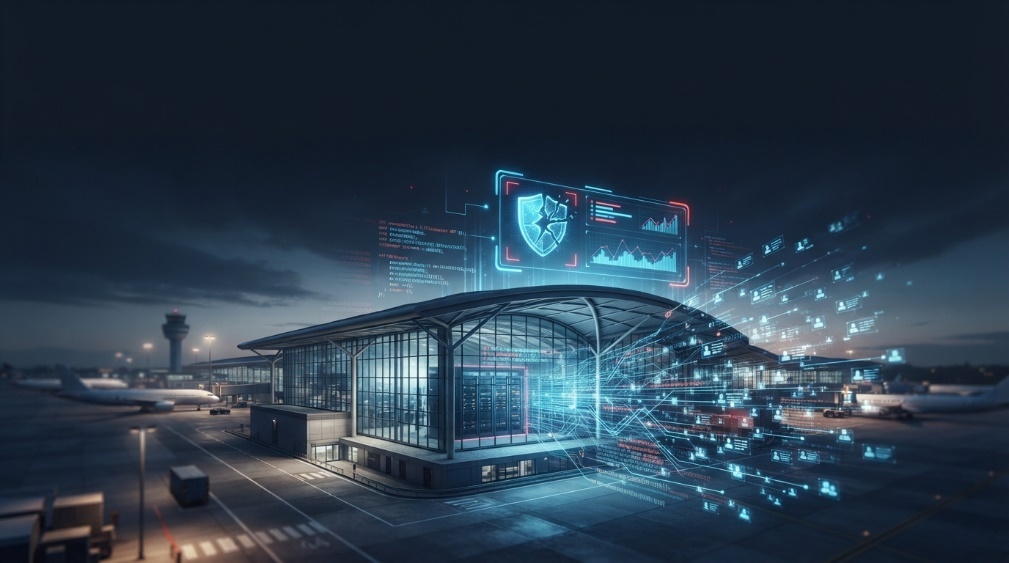
British Airways also suffered a massive breach in 2018. Hackers injected malicious code into the airline’s website. Payment data of hundreds of thousands of customers was stolen. The company faced heavy fines under GDPR. The lesson here is strong website monitoring and strict compliance with privacy laws.
Each case proves one point. Cybersecurity is not optional. You must protect customer data with strict policies, updated systems, and constant monitoring.
Future Trends in Retail & E-commerce Cybersecurity

Retail cybersecurity keeps changing as hackers grow more advanced. AI and machine learning improve fraud detection and help predict attacks. Blockchain supports secure and tamper-proof transactions. Passwordless authentication, such as biometrics, offers faster and safer access.
Retailers that adopt these trends gain customer trust and protect their business. Shoppers prefer stores that provide safe payments and account security. Cybersecurity must remain a constant effort. Strong defenses today prepare your store for the threats of tomorrow.
Conclusion
Cybersecurity for retail and e-commerce is no longer optional. You face daily risks from hackers, fraudsters, and data thieves. A single attack can break trust, stop growth, and cause financial loss. Strong access control, fraud prevention tools, and staff awareness give you a solid defense.
Investment in cybersecurity keeps your retail business safe and builds customer trust. Customers expect security each time they buy from you.
Protect your store and customers today. Trust Plutosec for expert Cybersecurity for Retail and E-commerce. Secure payments, prevent fraud, and safeguard data with our proven solutions.
FAQs
What are the biggest cyber risks for retail and e-commerce?
Retailers face credit card theft, phishing, and ransomware. E-commerce sites risk attacks from bots and old software. Hackers target both because customer data is valuable.
How can retailers protect customer payment data?
You can use encryption, tokenization, and secure payment gateways. Strong access controls block hackers from stealing card details. Regular audits also help you keep systems secure.
Why is employee training important in retail cybersecurity?
Your staff is the first line of defense. Awareness reduces mistakes that attackers try to exploit.
What role do regulations play in data protection?
You must follow GDPR and CCPA to avoid heavy fines and build trust. Compliance also proves to customers that their data is safe.

Written by
Admin User