The cyber threats change daily. Attackers use automation. They apply artificial intelligence. They move faster than ever. Conventional vulnerability tests and penetration testing tend to be manual in nature. Systems are tested on a periodic basis by security teams. Reports are created. Fixes are applied. Then the cycle pauses.
This model is no longer comparable to the contemporary attack speed.
Organizations currently work in hybrid environments. This gap creates risk. The later the disease is discovered, the more exposed they are. The latent weaknesses are active over longer periods. Businesses are required to have a smarter model.
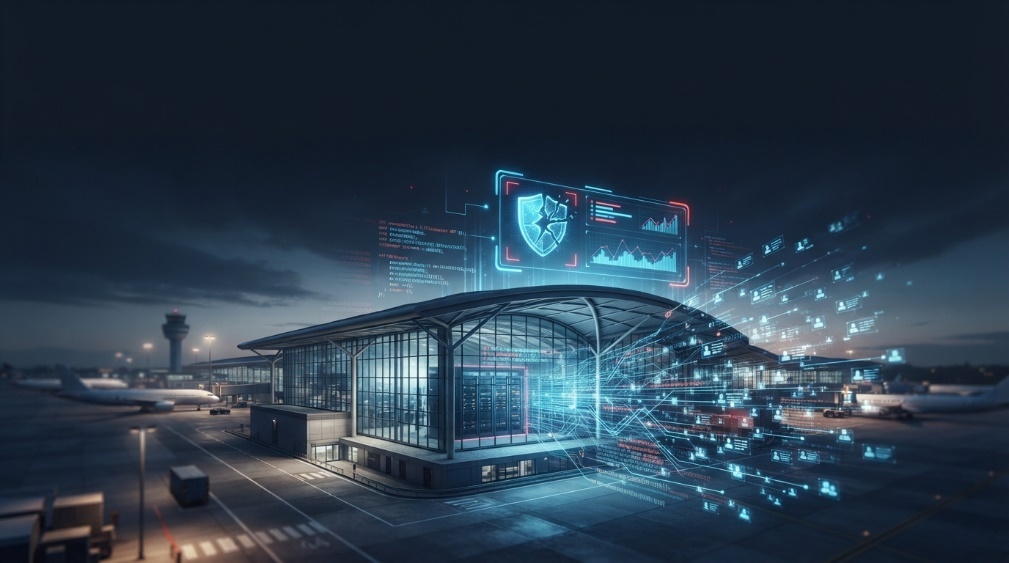
Cyber threats develop on a daily basis. Attackers use automation. They utilize artificial intelligence. They move faster than ever. The traditional vulnerability testing and penetration testing are typically manual-based testing. Periodically, systems are tested by security teams. Reports are created. Fixes are applied. Then the cycle pauses. This model has ceased to be compared with the speed of the modern attacks. The organizations have been transformed into a hybrid place. The quantity of attack surface is increased by the cloud system, APIs, mobile applications, and access over the internet. And no way that statistical testing can match. This gap creates risk. Late diagnosis causes predisposition. Unspontaneous weaknesses have a slow latency. Firms need to have a smarter design. Artificial intelligence has been applied in AI VAPT to look at penetration testing as well as vulnerability. It enhances the mechanism of identifying, scrutinizing, and rating security threats by organizations. Unlike other conventional forms of testing, AI-driven VAPT is a smart idea to scan the surroundings at any given time. It develops as per the trends and historical findings. The instruments of AI penetration testing devices hone the activities of the attackers to become more precise. They guard the reactions of the apparatus and alter testing directions during tests. These forces render the process of testing dynamic to a point that it cannot be periodic, but rather a dynamic hiring of security. AI does not replace experts. It strengthens them. It gives a deeper insight and less time to make decisions. Manual testing is a time-consuming process. It is highly contingent upon human power as well. With automated vulnerability assessment, organizations are able to scan the systems in an ongoing pattern. Automation reduces the time taken between the response and discovery. This smart scanning of the vulnerabilities is based on behavioral signatures and not restricted to static signatures. This reduces missed threats. The more time passes, the more accurate machine learning security testing becomes. Past experiences lead to systems learning. They have a tactic of detecting, which is reducing. Continuous automated security testing must be done to retain any new deployment or configuration modification, devoid of the introduction of gaps that go undetected. The coverage is improved by automation. It reduces blind spots. It improves response speed. Attackers use automation. Security teams should also be given the same. Another development of AI, which is threat detection, is applied to scan action patterns to identify suspicious actions at the onset. It reduces false positives. It highlights real risks. The AI is also superior in simulating a breach. Undertaking intelligent ethical hacking, the systems are run on advanced attack scripts. They are making world attacker tactics simulated. It pinpoints route-chained exploits as well as abuse of rights. It is a smarter approach to exposing risks. It helps the business to correct the weaknesses that are crucial before an attacker has a chance to take advantage of them. Breaches cost money. They damage reputation. They disrupt operations. Reaction is always more costly than prevention. Those organizations that adopt AI VAPT will reduce their attack surface. Threats are detected in the initial stages. They save on the time of remediation. AI improves the overall cyber risk control. It gives a greater intersystem vision. It helps in informed decision making by the executive level. Enterprise-wide solutions in the field of cybersecurity combine intelligent testing with larger AI applications under long-term governance. Security leaders no longer rely on periodical audits. They are constantly testifying to their defences. To approach AI-driven testing, it needs to be planned. In order to realize the trend towards AI-driven testing, planning is required. The most significant next-gen VAPT services will combine automation and qualified analysts. Technology addresses the issue of scale and speed. Expertise in strategy and interpretation is addressed. AI alone is not enough. It must function within structured frameworks of security. Firms that make investments in clever testing designs become resilient. They improve the compliance position. They increase the level of confidence among the stakeholders. The instruments will not guarantee results. Strategy does. Business partners should be chosen by companies that are conversant with automation and risk management. The goal is not only to determine the weaknesses but also to reduce real business risk. Plutosec contributes to the task of organizations by deploying standardized AI-based VAPT programs in accordance with the strategic goals of security. We plan to use AI penetration testing tools, expert validation, and continuous improvement. With Plutosec, each group of businesses is given: Feel free to contact us through +1(95) 367-6038 or contact@plutosec.ca As long as you have an organization that will no longer be satisfied with ad hoc testing and will want to be smarter in cyber protection, it is time to consider how intelligent cyber protection can be improved with the help of AI VAPT. The cybersecurity environment is evolved. Threats move faster. Attack surfaces expand. The protection that can be given by traditional testing models is not complete anymore. AI VAPT presents intelligence into vulnerability testing and penetration testing. It provides the opportunity to conduct the assessment continuously, detect more intelligently, and simulate attacks more deeply. AI VAPT is pen testing combined with a vulnerability assessment that wraps AI in such pen tests. It employs intelligent systems to monitor, assess, and ultimately rank security threats more quickly than traditional systems. AI penetration testing tools are used to model the real world attacks with simulated artificial intelligence. They experiment on the reaction of the systems and alter practices according to the results. No. AI supports experts. It will enhance speed and coverage; however, security experts use the results to inform remediation plans. Intelligent tools are applied in automated vulnerability tests, which analyze systems periodically. It identifies weaknesses without the test cycles being manual. Threat detection is an AI-based object that detects abnormal patterns of behavior. It minimizes the false alarms and shows real security risks earlier. Next-gen VAPT services include round-the-clock testing, quicker reaction, and smarter risk reaction. They assist the organizations in keeping abreast with changing cyber threats.
What Is AI VAPT and Why It Is Important?
Manual Testing to Intelligent Automation.
AI is used to improve threat detection and attack simulation.
Business Impact: Why AI VAPT is a Strategic Investment.
Introduction of Next-Gen VAPT Services in the Organization
The process of selecting an appropriate AI VAPT Partner
The Future of Cyber Risk Management with AI
Conclusion
FAQs
What is AI VAPT?
What is the definition of AI penetration testing tools?
Is AI VAPT a substitute for human security professionals?
What does automated vulnerability assessment mean?
What is the benefit of threat detection with AI?
Why is the adoption of next-gen VAPT services in businesses relevant?

Written by
Admin User